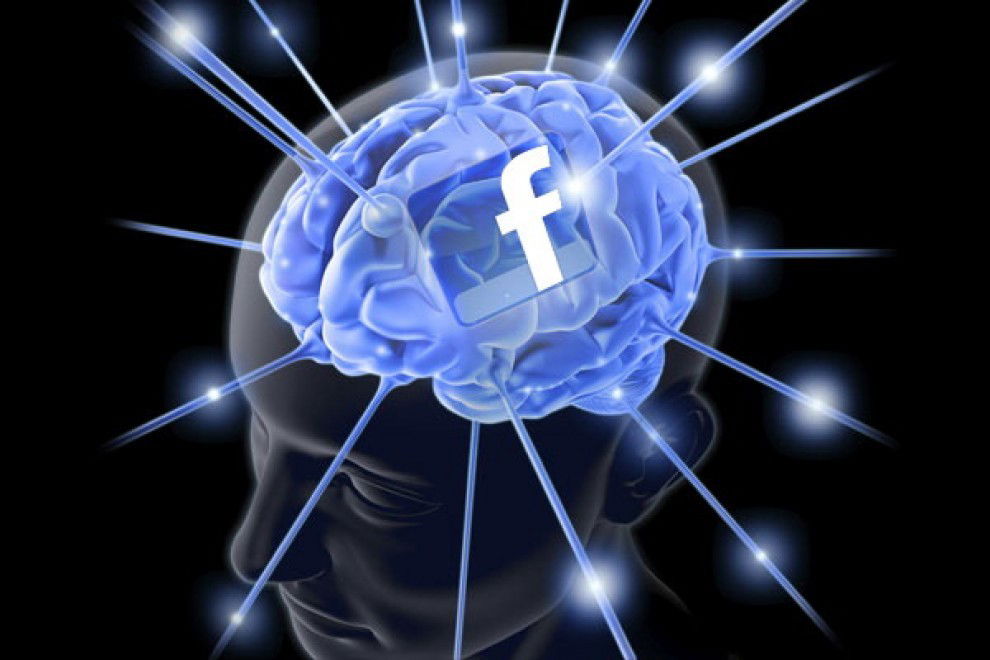
For decades, science fiction imagined a world where thoughts could control machines, digital worlds could be entered directly through the mind, and the boundary between human and computer would eventually blur.
Today, in 2025, that vision is no longer fantasy — it is rapidly becoming reality.Brain-Computer Interfaces (BCIs) have evolved from lab experiments into a promising new frontier that is reshaping virtual reality (VR), augmented reality (AR), and even the future of the human mind itself. From Meta’s non-invasive neural research to Elon Musk’s Neuralink implants, the field is accelerating faster than ever — and the implications for XR are groundbreaking.At Caesar VR Israel, where innovation meets immersive technology, these developments are more relevant than ever.
The Rise of Modern BCIs: What Happened Since Facebook’s First Announcement?
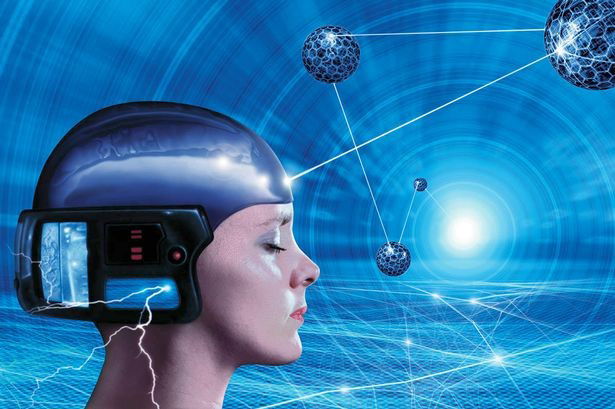
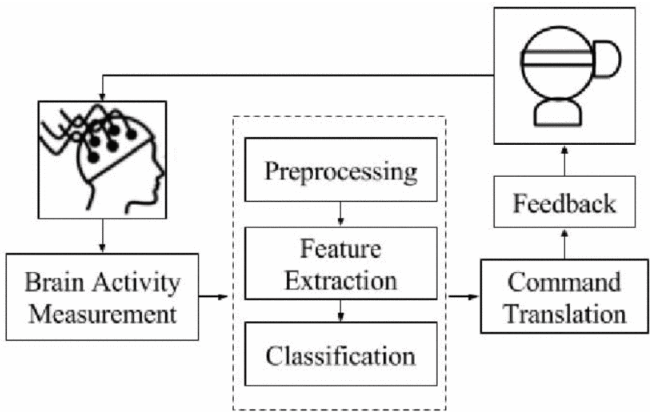
In 2017, Facebook (now Meta) shocked the world by announcing a plan to create a non-invasive brain-computer interface capable of decoding words directly from the brain. The goal was ambitious:a wearable sensor that could read neural activity without surgery, using optical techniques similar to a medical pulse oximeter.
Where Are We Now?
Since then, several major breakthroughs have happened:
1. Meta’s Latest Research: Thought-Driven Input for AR Glasses
Meta’s Reality Labs and UCSF have demonstrated that advanced machine learning can decode brain activity from implanted electrodes with increasing accuracy.Recent studies showed real-time decoding of speech-related neural signals with higher vocabulary size, lower error rates, and faster inference times compared to earlier years.While this is still far from consumer-ready, Meta is now openly positioning BCI as a future input method for AR and AI glasses, including next-generation Ray-Ban Meta and Oakley Meta devices.The long-term vision:
- Navigate menus with thoughts
- Select items using intention
- Control digital overlays hands-free
- Enable silent, private communication
BCI is becoming part of Meta’s roadmap for the “AI + AR + neural” era.
2. Neuralink and Implant Technology: A Different Path Forward
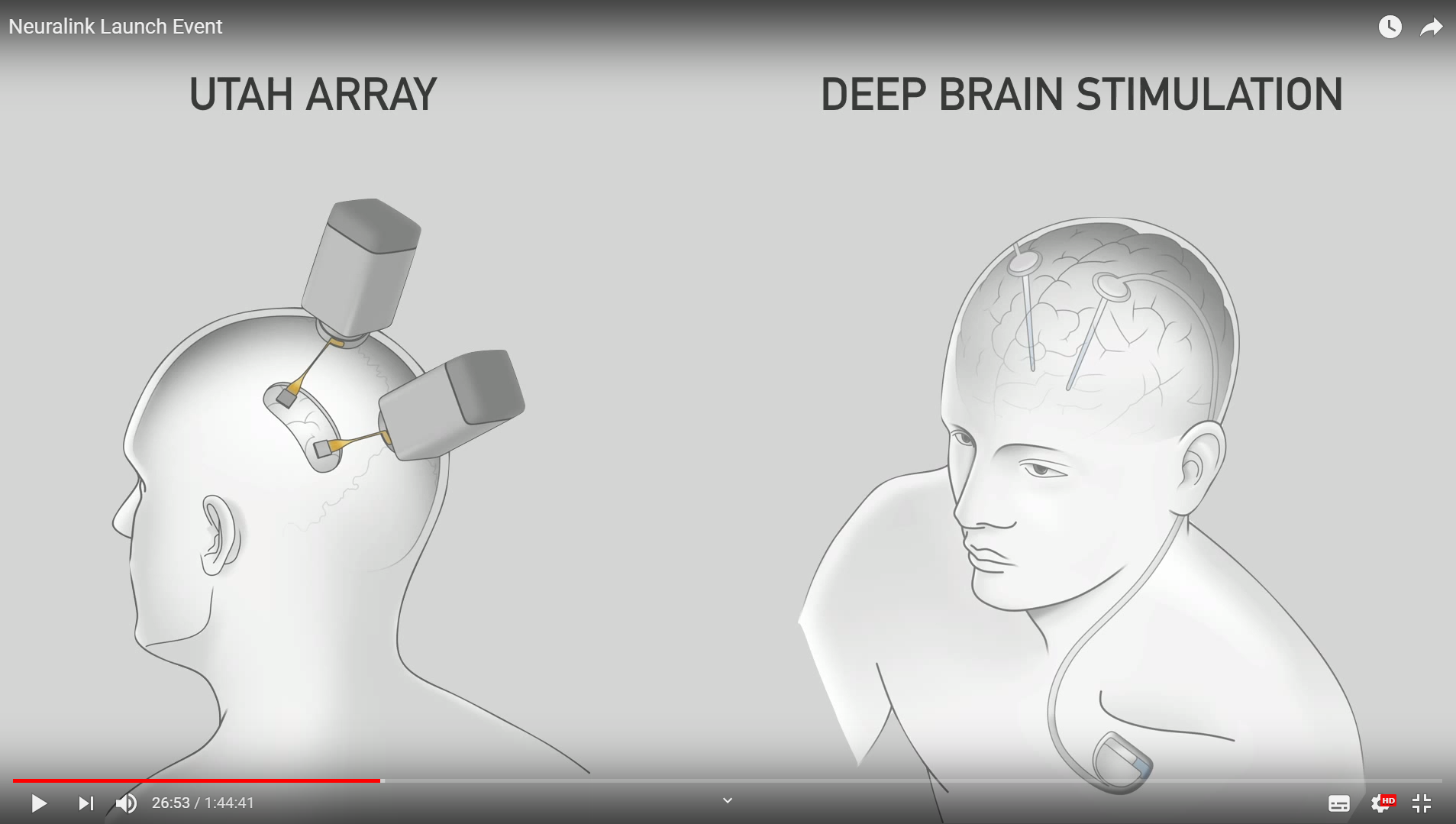
Neuralink took the invasive route — implanting electrodes directly into the brain with the help of a surgical robot.By 2025:
- The first human patients can move cursors and type using thought alone
- AI models dramatically improved decoding speed
- Neuralink demonstrated “cursor control, typing, and basic app navigation”
This is life-changing for patients with paralysis — and a preview of the future for everyone else.While Meta avoids surgery and Neuralink embraces it, both companies are racing toward the same goal:a seamless mind-machine interface.
3. Synchron, Science Labs, and Global Academia Join the Race
Other major players:
- Synchron developed a stentrode BCI inserted via a blood vessel — no open-brain surgery
- MIT, Stanford, UC Berkeley, ETH Zurich continue to publish breakthroughs in neural decoding
- New optical sensors can read brain oxygenation and electrical activity with higher precision
The ecosystem is expanding rapidly — and XR stands to benefit more than any field except medicine.
Why BCIs Matter for VR and AR
As the leading XR company in Israel, Caesar VR has always pushed the limits of immersive technology.BCI is the missing piece that will unlock the next generation of experiences.
1. True Immersion: Beyond Controllers and Hand Tracking
Today’s VR input system — controllers, hand tracking, gestures — is just the beginning.BCI adds the next layer:
- Think to click
- Think to walk
- Think to switch tools
- Think to communicate
This eliminates VR’s biggest bottleneck: slow, awkward input.
2. Emotional and Cognitive Tracking
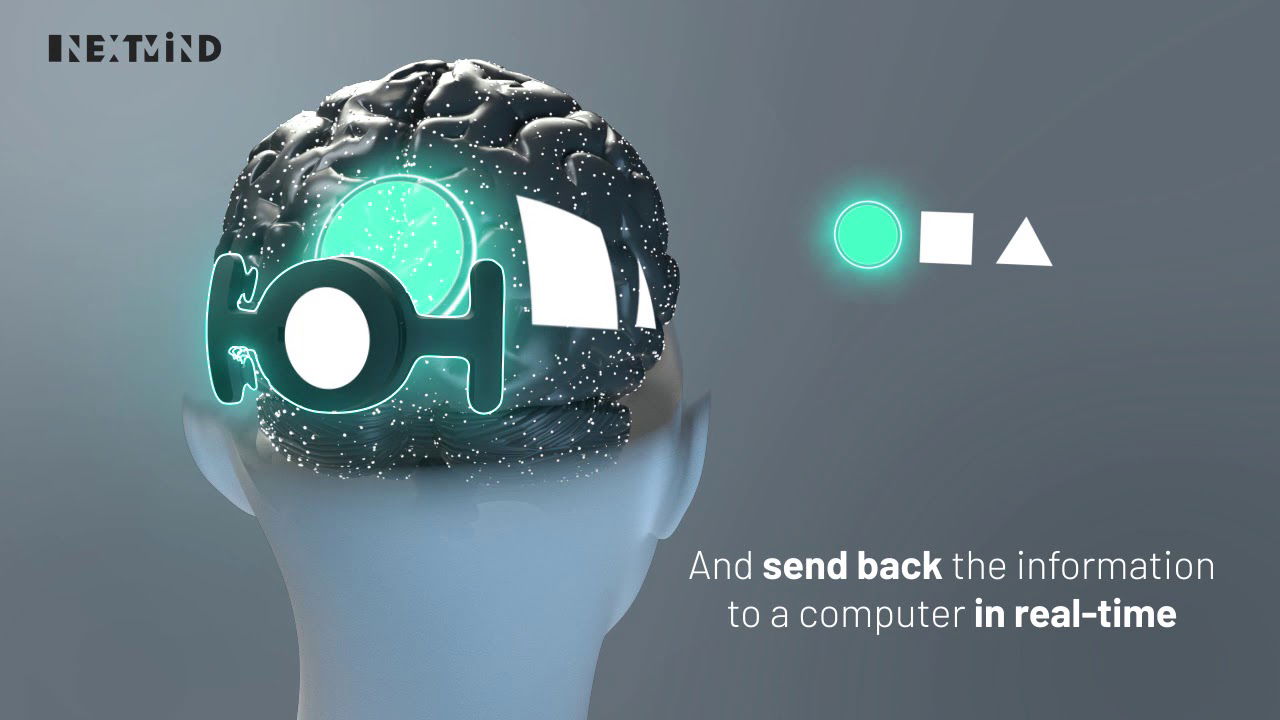
BCI provides real-time insights:
- Stress
- Fear
- Attention
- Engagement
- Cognitive load
Imagine a VR therapy session where the system automatically adjusts difficulty based on your emotional state — or an educational simulation that senses confusion and offers help instantly.
3. Full-Dive VR: The Long-Term Vision
Every VR enthusiast dreams of entering a world like The Matrix or Sword Art Online.While we are not there yet, direct brain stimulation is scientifically the only path to:
- Simulated heat and cold
- Simulated pain or pressure
- Smell and taste
- Perfect body tracking
- Total sensory replacement
This is where BCI becomes essential:to bypass the limitations of the human body entirely.
The Ethical Question: Who Controls the Mind?
As BCIs advance, deep ethical concerns emerge:
- Who owns neural data?
- Can companies (or governments) misuse thoughts?
- What level of “mind reading” is acceptable?
Meta, Neuralink, and regulators worldwide are now debating “neurorights” — the protection of the mind as the last private sanctuary.Caesar VR advocates for responsible innovation, transparency, and safety as XR and neural technologies converge.

What Comes Next?
The next decade will bring dramatic change:
- Non-invasive neural sensors built into AR glasses
- First consumer BCI wearables for thought-based commands
- AI systems that understand intention before action
- Neural interfaces for gaming, communication, and creativity
- Early forms of “neural sharing” between users
One thing is clear:BCI will redefine how humans interact with digital reality — just as VR and AR are redefining how we see the world.At Caesar VR Israel, we continue to follow these technologies closely, educate the public, and bring the most advanced XR solutions to Israel today — while preparing for the neural future that is already on the horizon.
brain computer interface BCI Meta brain interface Neuralink 2025 Meta AR glasses BCI brain controlled VR brain controlled AR XR future technology Caesar VR Israel Amit Caesar AR neural input VR neural interface non invasive BCI future of virtual reality augmented reality brain interface AI glasses brain control Ray-Ban Meta BCI VR therapy neuroscience XR innovation 2025 full dive VR mind reading technology neural sensors AR brain implant Neuralink VR future trends AR future trends